CAA2026- Low-Cost IoT Monitoring for Cultural Heritage
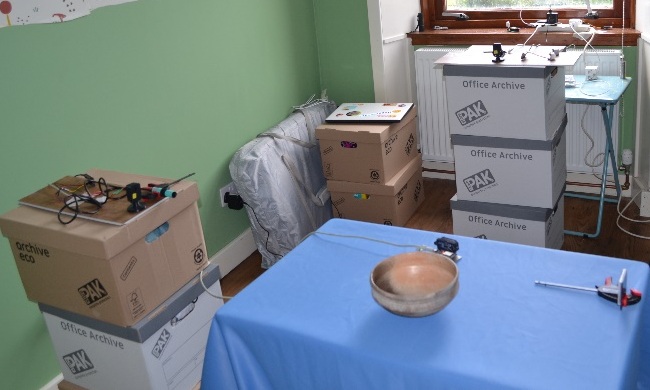
At CAA2026 I will be presenting a piece of work that sits at the intersection of archaeology, electronics, and data workflows: a low-cost, modular IoT system for cultural heritage monitoring.
This project is based on my final MSc project in Advanced Computing at the University of the West of Scotland, where I explored the potential use of low-cost, off-the-shelf components for monitoring heritage environments.
Why this matters
Cultural heritage sites are constantly under pressure.
Environmental changes, humidity fluctuations, visitor behaviour… all of these can have a real impact on preservation. At the same time, many monitoring systems are:
- expensive
- proprietary
- difficult to adapt
That creates a gap. Smaller institutions, research projects, or even individual researchers often cannot deploy these systems.
This work explores a simple idea:
what if we could build something useful with cheap, open, off-the-shelf components?
What I built
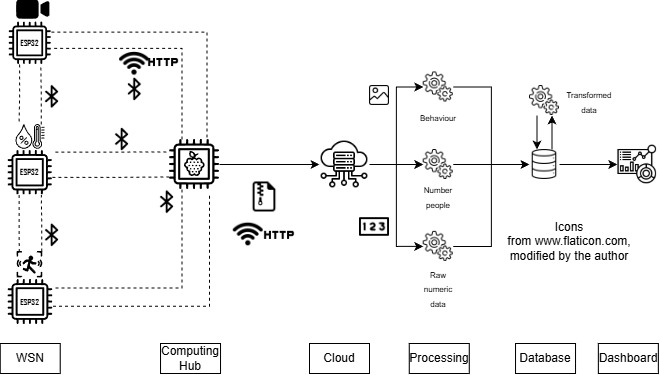
The project is a modular wireless sensor network designed around affordability and flexibility.
At a high level, the system has three parts:
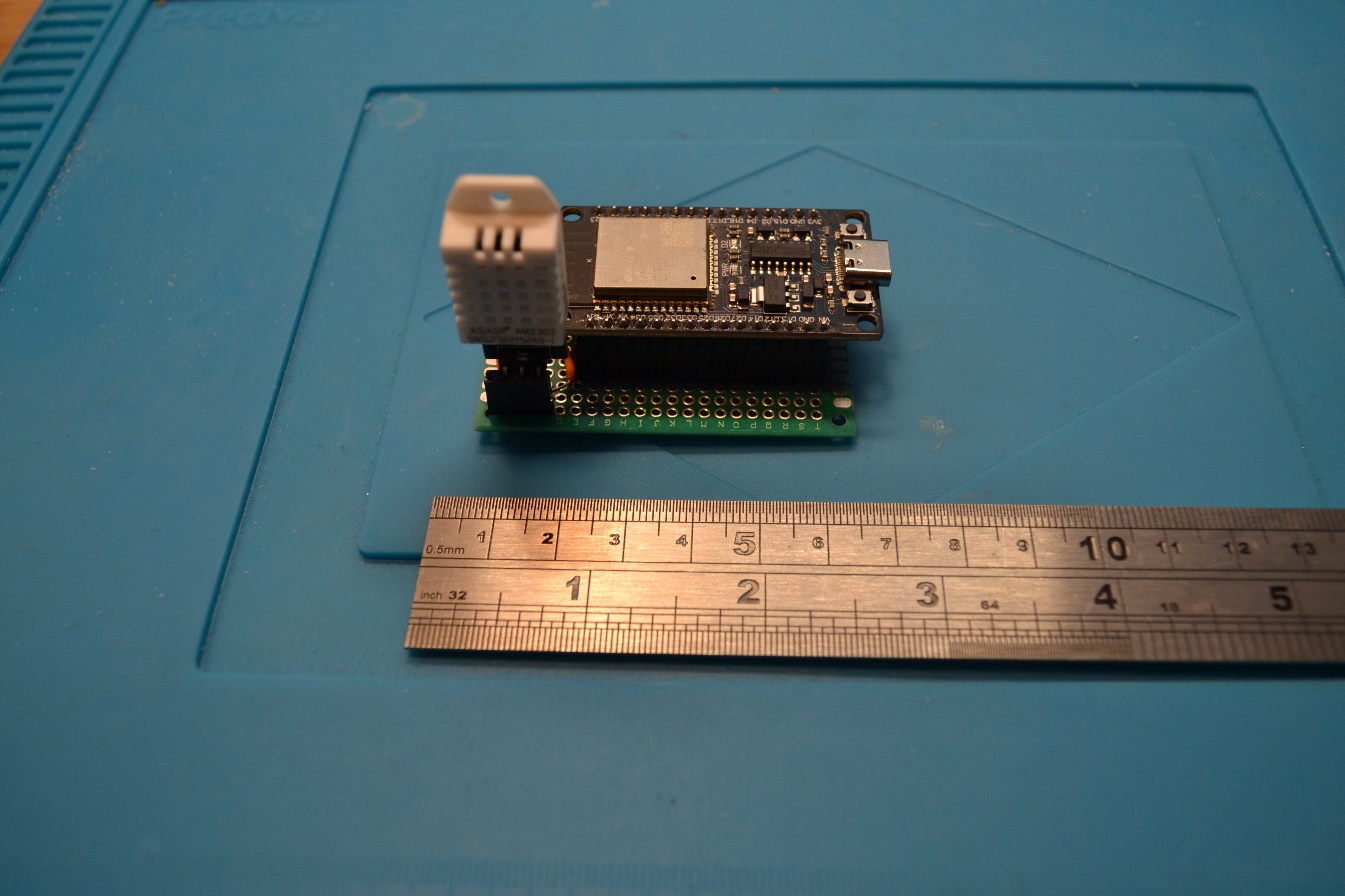
- Sensor nodes (ESP32-based) collecting data
- A local hub (Raspberry Pi) doing edge processing
- A cloud backend for storage and visualisation
The sensors cover both environmental and behavioural signals:
- temperature and humidity
- motion and proximity
- sound
- camera-based event capture
The idea is not just logging data, but combining different signals to understand what is happening around an object or space.
---
A quick example
Imagine a museum cabinet.
You can monitor:
- humidity changes over time
- whether someone is getting too close
- sudden movements or disturbances
- even simple behaviour patterns through images
All of this, using hardware that costs roughly £20–30 per node.
What worked (and what didn’t)
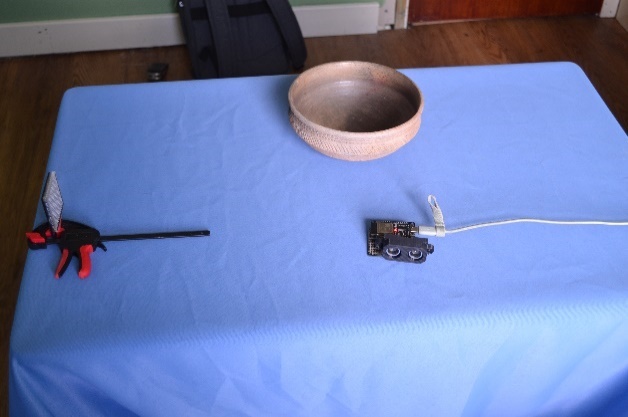
The prototype was tested in a simulated environment over several days.
Some key takeaways:
- The system was reliable across multiple sensors
- Image capture and transfer worked consistently
- Edge + cloud integration was practical
- Behaviour classification is possible, but depends heavily on the model
At the same time:
- This was a controlled indoor setup
- Power consumption is still a challenge
- WiFi dependency is limiting in some contexts
So, it works. But there is still a lot to do before real deployments.
---
Why I think this is interesting
For me, this is less about the specific prototype and more about the direction.
This kind of approach opens up:
- preventive conservation workflows that are data-driven
- experimentation without large budgets
- custom systems tailored to specific sites
- more open and reproducible infrastructures
It moves us away from “black box” systems and towards something we can understand, modify, and share.
What’s next
The obvious next steps are:
- testing in real heritage environments
- improving power management
- exploring alternative communication (LoRa, etc.)
- refining behaviour detection
And probably the most important one:
making it easier for others to replicate and use
Final thoughts
This project is part of a broader line of work I am developing around:
- open hardware
- reproducible workflows
- accessible digital infrastructures in archaeology
If this works, even partially, it means that monitoring is no longer something limited to well-funded institutions.
And that, I think, is worth exploring.
A preprint related to this work is available on arXiv: A Modular, Low-Cost IoT System for Environmental and Behavioural Monitoring in Cultural Heritage Sites.
If you are interested, please come and chat about it at CAA2026! Or if you have any questions, feel free to reach out in person or online. I am always happy to discuss the details, challenges, and potential of this kind of approach.