My Contributions to CAA2026: Open Hardware, IoT, Automation and Decentralised Data
---
Overview
In April 2026 I will be presenting three talks and running one workshop at the Computer Applications and Quantitative Methods in Archaeology conference (CAA2026). Together, these contributions explore practical ways in which open technologies can support archaeological research, heritage monitoring, and data accessibility.
The topics range from low-cost IoT monitoring systems and open hardware workshops to automated dataset extraction and decentralised data sharing infrastructures.
Workshop: Open Hardware and Low-cost Electronics and IoT for Sensing and Monitoring Heritage Assets
This hands-on workshop introduces archaeologists and heritage professionals to the use of open hardware and low-cost electronics for environmental monitoring.
Commercial monitoring systems used in museums and heritage buildings are often expensive, proprietary, and tied to closed cloud platforms. This workshop explores an alternative approach based on open microcontrollers and open-source software.
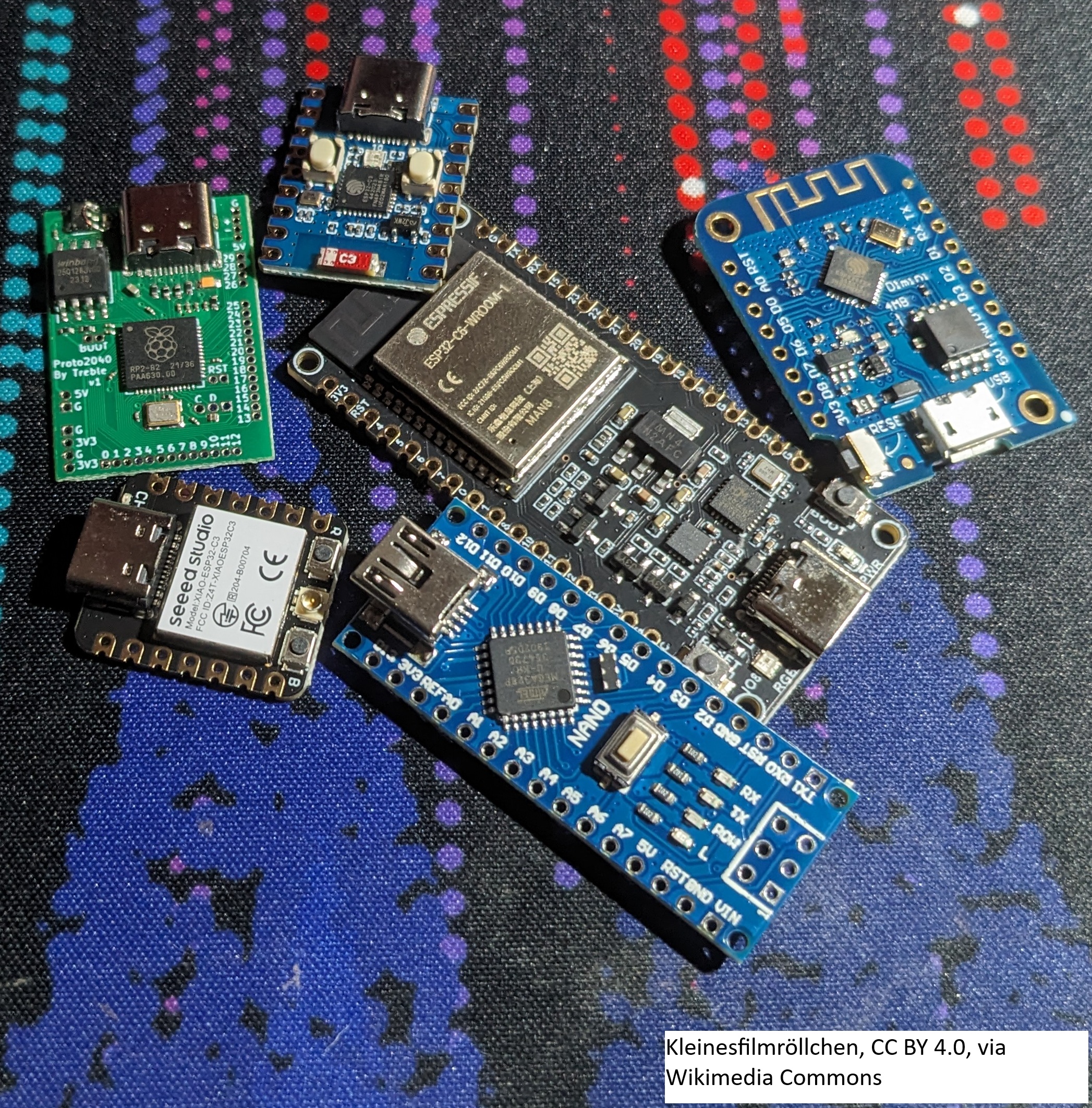
Participants will learn the fundamentals of microcontroller platforms such as:
- ESP32
- ESP8266
- Raspberry Pi Pico
- Arduino boards
We will also explore common sensors used for environmental monitoring, including temperature, humidity, motion, distance, and light sensors.
The workshop combines theory and practice. Participants will connect sensors, write simple programs, and build working prototypes using ESP32, MicroPython and Arduino C.
In the final section we will explore networking capabilities, demonstrating how IoT devices can send, store, and visualise environmental data locally or through open cloud services.
The goal is to give participants a practical foundation for developing their own low-cost monitoring systems for archaeological sites, museums, and historic buildings.
Talk: Web Scraping of an Archaeological Dataset Using Python: An ADS Bifaces Dataset Example
Large archaeological datasets are often technically accessible but practically difficult to use. Repository interfaces frequently require repetitive manual navigation, making large-scale analysis inefficient.
This talk presents a lightweight Python workflow designed to automate the extraction of archaeological data from the Archaeology Data Service.
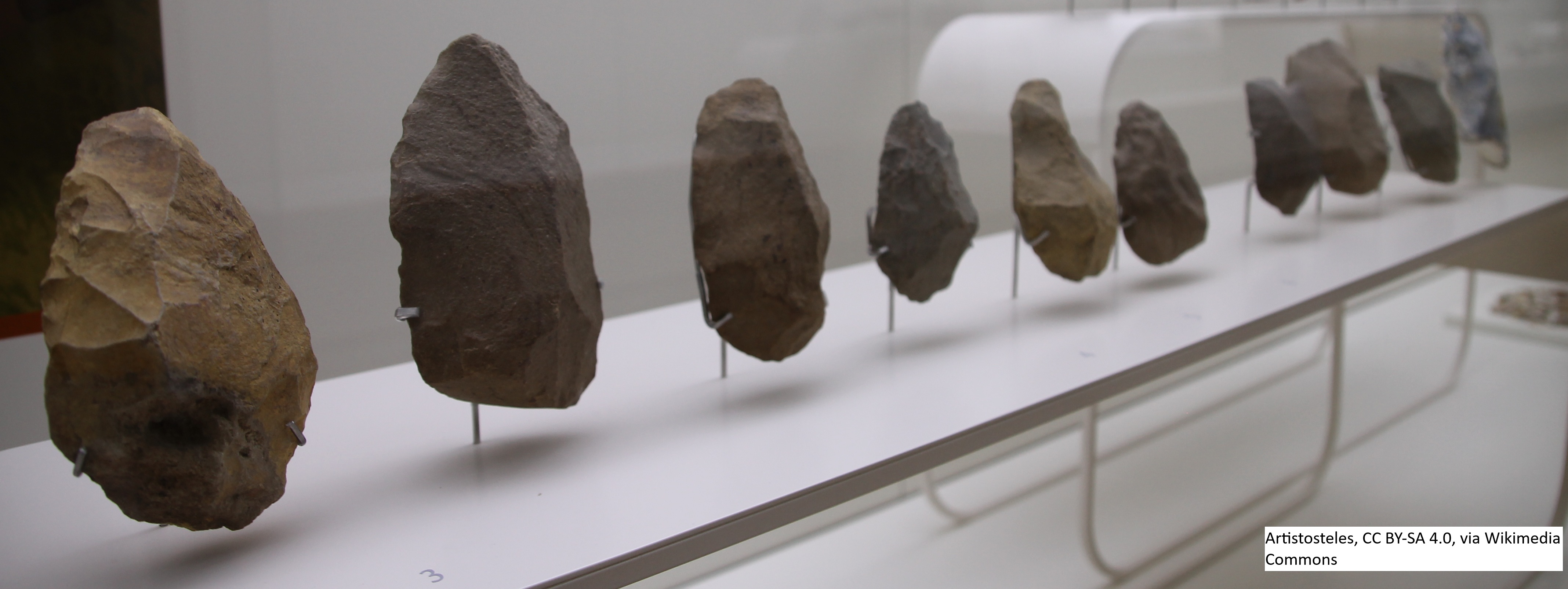
The case study focuses on the Lower Palaeolithic bifaces dataset compiled by Marshall et al. (2002), which contains:
- 3,556 bifaces
- 10,668 images
- associated metadata for artefacts across Africa, Europe, and the Near East
A short Python script using requests, BeautifulSoup, and pandas automatically retrieves:
- artefact metadata
- measurements and descriptive fields
- associated photographs
The resulting dataset is exported as structured CSV tables and organised image folders.
Although technically simple, this type of automation can significantly increase the usability of legacy datasets. It transforms static web interfaces into machine-readable resources that can be directly integrated into computational workflows such as morphometric analysis or GIS studies.
A related preprint can be found here: ArXiv
Talk: Design and Evaluation of a Low-Cost IoT Wireless Sensor Network for Heritage Monitoring
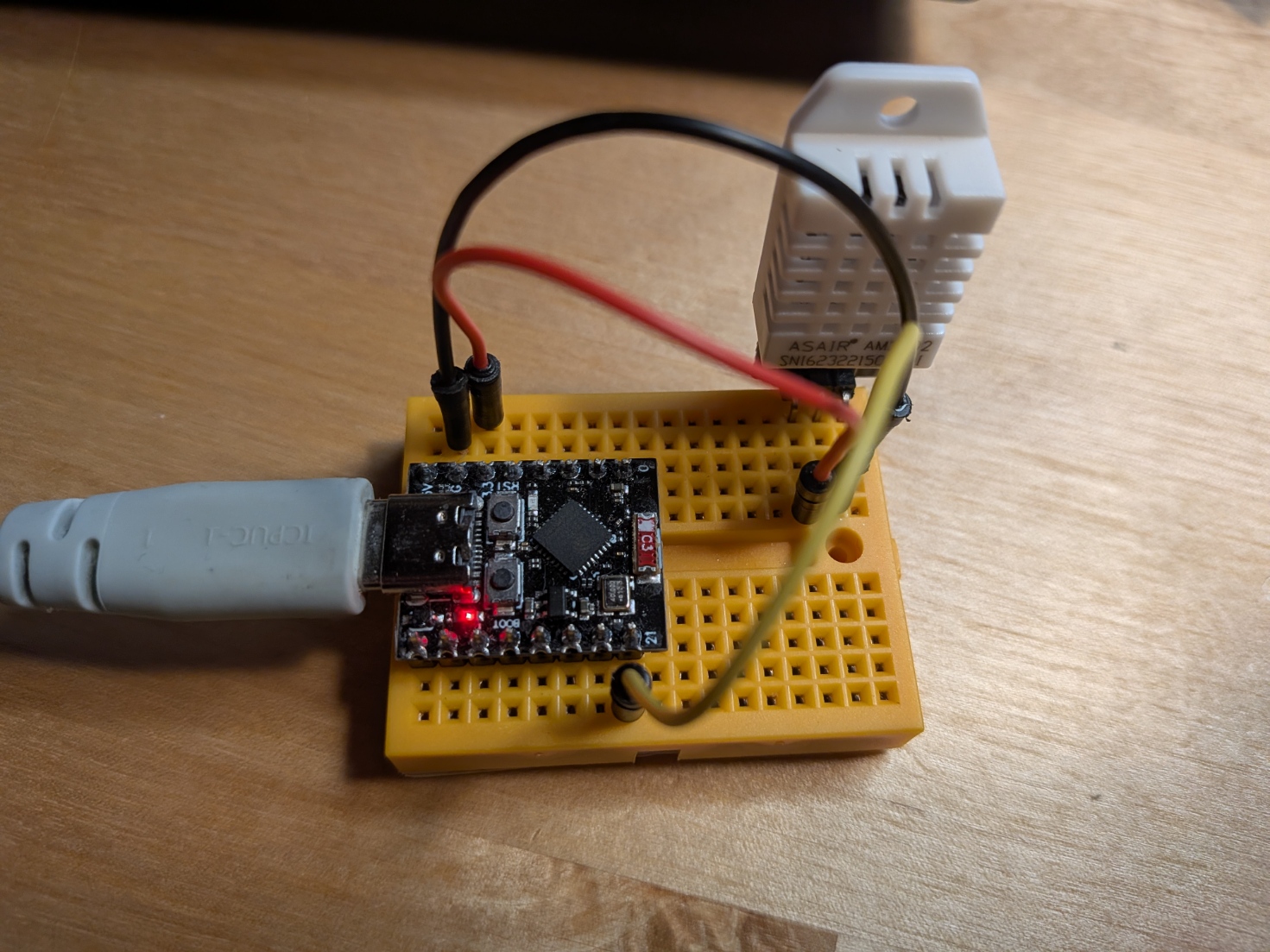
This research explores whether a complete environmental monitoring system for cultural heritage can be built using low-cost open hardware.
The prototype system consists of three main components:
Wireless Sensor Network (WSN)
ESP32 microcontrollers equipped with sensors measuring temperature, humidity, sound, vibration, and human presence.
Computing Hub
A Raspberry Pi aggregates sensor data, performs edge computing tasks, and prepares records for cloud storage.
Cloud Backend
Data is stored and processed using Microsoft Azure services and visualised through a Streamlit dashboard.
The entire system was assembled for less than £150, demonstrating that scalable monitoring infrastructures can be built with minimal resources.
The project also explores the use of lightweight AI techniques. Zero-shot computer vision models such as CLIP were tested to detect human presence in images, allowing behavioural monitoring without requiring large training datasets.
The results show that open hardware solutions can provide reliable environmental monitoring while remaining affordable, modular, and reproducible.
A related preprint can be found here: ArXiv
Talk: The Jolly Roger Showed the Way: A Decentralised Data Repository Using Torrent and P2P Technology

Archaeological data repositories are essential for preserving research outputs, but they typically rely on centralised infrastructures. These systems depend on long-term funding, institutional priorities, and technical maintenance.
This project explores an alternative model based on peer-to-peer distribution using BitTorrent technology.
In this approach, each dataset is packaged as a self-contained archive containing:
- the dataset itself
- structured metadata
- provenance information
- integrity hashes
The package is distributed through torrent files or magnet links, allowing the data to be replicated across a network of peers.
A federated index stores the metadata and torrent references, enabling users to discover datasets without the repository itself hosting the data.
The prototype system is being developed in Python using open-source tools such as libtorrent. The design aims to align with FAIR and CARE data principles while reducing dependence on centralised infrastructures.
The long-term goal is to explore whether decentralised technologies could complement existing repositories and contribute to more resilient and community-driven archaeological data infrastructures.
Final Thoughts
Although these contributions cover different topics, they share a common theme: making digital archaeology more open, accessible, and reproducible.
Whether through lightweight automation scripts, low-cost IoT monitoring systems, or decentralised data distribution, the projects presented at CAA2026 aim to demonstrate practical tools that researchers and heritage professionals can adapt to their own contexts.
I look forward to discussing these ideas and learning from the broader digital archaeology community during the conference. But above all, I hope to have a great time sharing these projects and connecting with others who are passionate about computing in archaeology!